

- Written by: NELHIN
- 03/02/2022
Project name: Implementation of the Integrated-UPSHIFT in Nakivale Settlement
Sector: Livelihood & Resilience
Duration: 12 Months
Target Area: Nakivale refugee settlement, Isingiro District
Target group: 240 Young refugee & nationals
Funding partner: International Labor Organisation (ILO)
OVERVIEW
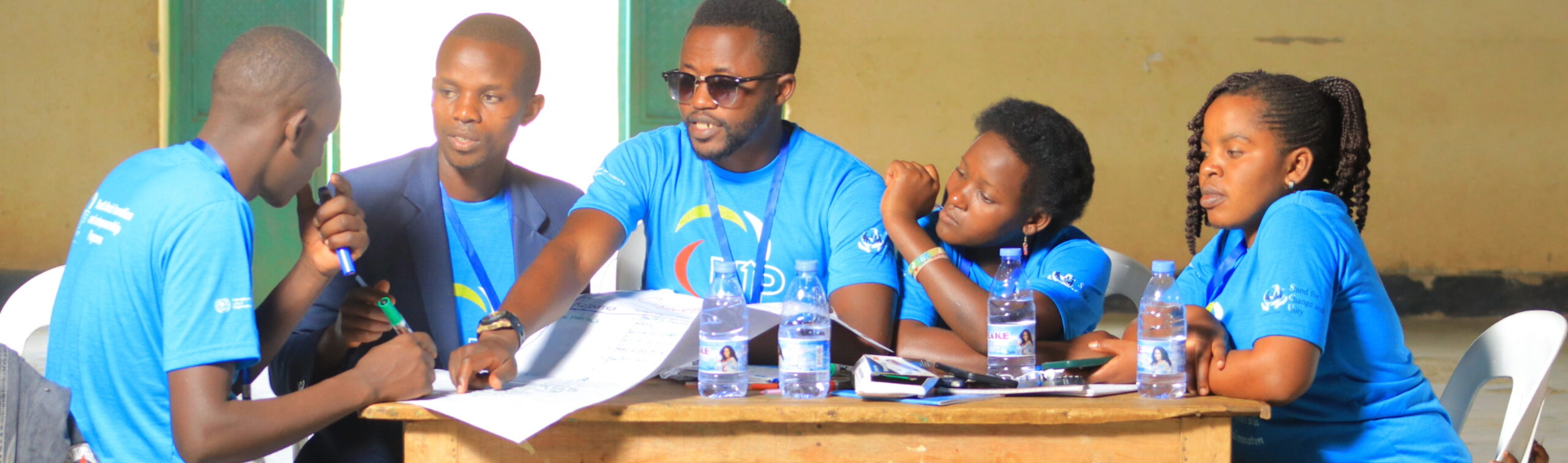
The project aims to equip 240 young individuals (60 in Basecamp, 60 in juru and 120 in rubondo zones) with social innovation and entrepreneurship skills. Through human-centered design workshops, mentorship, incubation, and seed funding, participants learn to identify community problems and design sustainable, impactful solutions. This initiative seeks to foster social and green entrepreneurs who create new businesses and job opportunities, with a potential for over 48 new enterprises and 825 jobs by 2025. By turning these youth into change agents, the project contributes significantly to the social, economic, and environmental well-being of their communities.
OBJECTIVES
a) Promote and raise awareness on i-UPSHIFT among young people in Nakivale refugee settlement and its host communities and equip the young people with skills and resources they need to identify problems in their communities and design solutions for them;
b) Implement 2 cycles of i-UPSHIFT targeting 240 youth and generating 48 innovations, while ensuring equal participation of refugees, host communities with a gender balance;
c) Mentor teams to further develop their innovative solutions and pitch in the end to receive seed funding and enhance entrepreneurship;
d) Promote social cohesion between young refugees and young nationals.
OUTCOMES
This project is set to deliver transformative outcomes for young refugees and host communities in Nakivale.
This project will measurably:
1) Increase awareness and uptake of the i‑UPSHIFT approach among young people in Nakivale and surrounding host communities, equipping participants with practical design‑thinking, entrepreneurship and life‑skills to identify local problems and prototype viable solutions. Through targeted outreach and community engagement, youth will gain confidence, civic agency and access to resources that enable local problem analysis and solution design.
2) Two full cycles of i‑UPSHIFT will train 240 young people in mixed, gender‑balanced cohorts, producing 48 youth‑led innovations that respond to priority community needs. Participants will acquire market‑oriented skills, value‑chain knowledge and business planning competencies necessary to transition ideas into sustainable ventures.
3) Structured mentorship will support teams to refine prototypes, test with users and strengthen pitches. As a result, selected groups will obtain seed investments and business development support, increasing the likelihood of operational start‑ups, income generation and job creation among youth.
4) Foster social cohesion by promoting joint problem solving, cross‑community teamwork and shared public events, leading to stronger relationships between refugees and host nationals. Expected social outcomes include reduced tensions, increased collaboration in community initiatives and the emergence of youth leaders who model inclusive economic participation. Comprehensive monitoring and documentation will capture sustained impact.